Depth Spelunking Traumas Explained — Recode Debuffs
Depth Spelunking trauma debuffs from v0.7.0a: how they stack, clear between floors, and interact with luck builds and revives. Read before stacking risk.
FAQ
When were traumas added to Depth Spelunking?
How do you remove traumas in Depth Spelunking?
Do traumas affect luck in Depth Spelunking?
Are traumas the same as regular debuffs?
Did v0.7.0b change traumas?
Before the Recode, one grab often meant a full reset. Traumas are part of why v0.7.0a feels different: entity contact usually costs health and a lasting debuff, not an instant wipe. This guide explains what trauma means in Depth Spelunking today, how it interacts with revives and items, and what changed through v0.7.0b.
What is a trauma in Depth Spelunking?
The official Recode post describes traumas as “long-lasting and severe debuffs” tied to getting hit. In practice they sit one step above normal debuffs:
- They can slow movement, reduce clarity (visual or audio), or pull down stats depending on the type.
- They persist across gameplay until you clear them—unlike a short cold stack from an event.
- Same-type traumas can stack, so repeating a mistake with the same entity can load multiple layers before you recover.
That stacking matters on deep runs: two identical traumas may need two floor clears (or two treatments) before you are clean.
| Concept | Trauma | Typical short debuff |
|---|---|---|
| Source | Many entity attacks, some traps | Events, consumables, temporary hazards |
| Duration | Until cleared or floor complete | Often seconds or one floor |
| Stacking | Same trauma type stacks | Depends on source |
| Build impact | Hurts luck scarves and Nephalem’s Blessing scaling | Usually localized |
For how damage and fear feed the combat loop, read /guides/priority-and-fear/. For the full rules shift, see /guides/patch-notes-0-7/.
How do you clear traumas?
Default rule: finishing the floor (reaching reboarding and extracting on the elevator) tends to clear trauma baggage. Community documentation also lists Bandage items and the Medkit as ways to peel traumas before extraction—useful when a second task rotation would be risky.
Medkit note (0.7.0a): the item can only be used once per floor, so trauma cleanup competes with burst healing on bad floors.
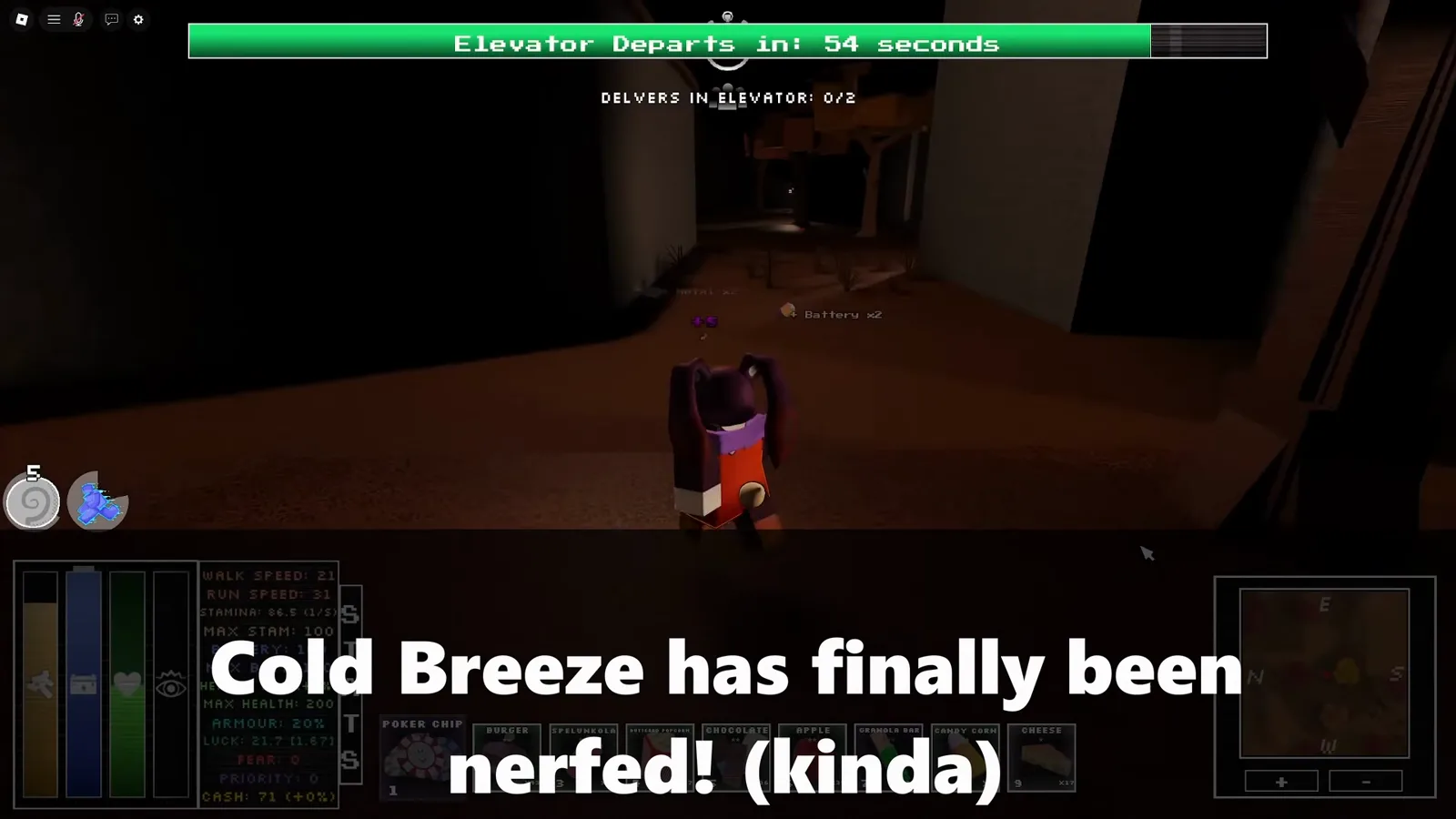
Cold Breeze (tuned in 0.7.0b) applies cold debuff stacks, not entity traumas. The 0.7.0b log lists shorter duration, 2 cold stacks, and elevator or levitating players skipping ice physics—separate from trauma icons.
Where do traumas come from?
Any entity that deals damage under the Recode rules can apply them. Documented examples from official 0.7.0a notes include:
- Shrieker: screaming near you inflicts damage, a trauma, and 50% movement slow (stun only at close range).
- Explosive generator traps: 0.7.0b explicitly buffed trauma effectiveness from these tasks—worth respecting on trap-heavy maps.
Entity guides go deeper on avoidance:
- /entities/echovore/ — sound-sensitive boss with chip damage at non-lethal touch
- /entities/mannequins/ — line-of-sight sin; post-0.7.0b fights are visual only
- /entities/lurker/ — gas damage and priority-based enrage checks
- /entities/warden/ — hearing-heavy common threat
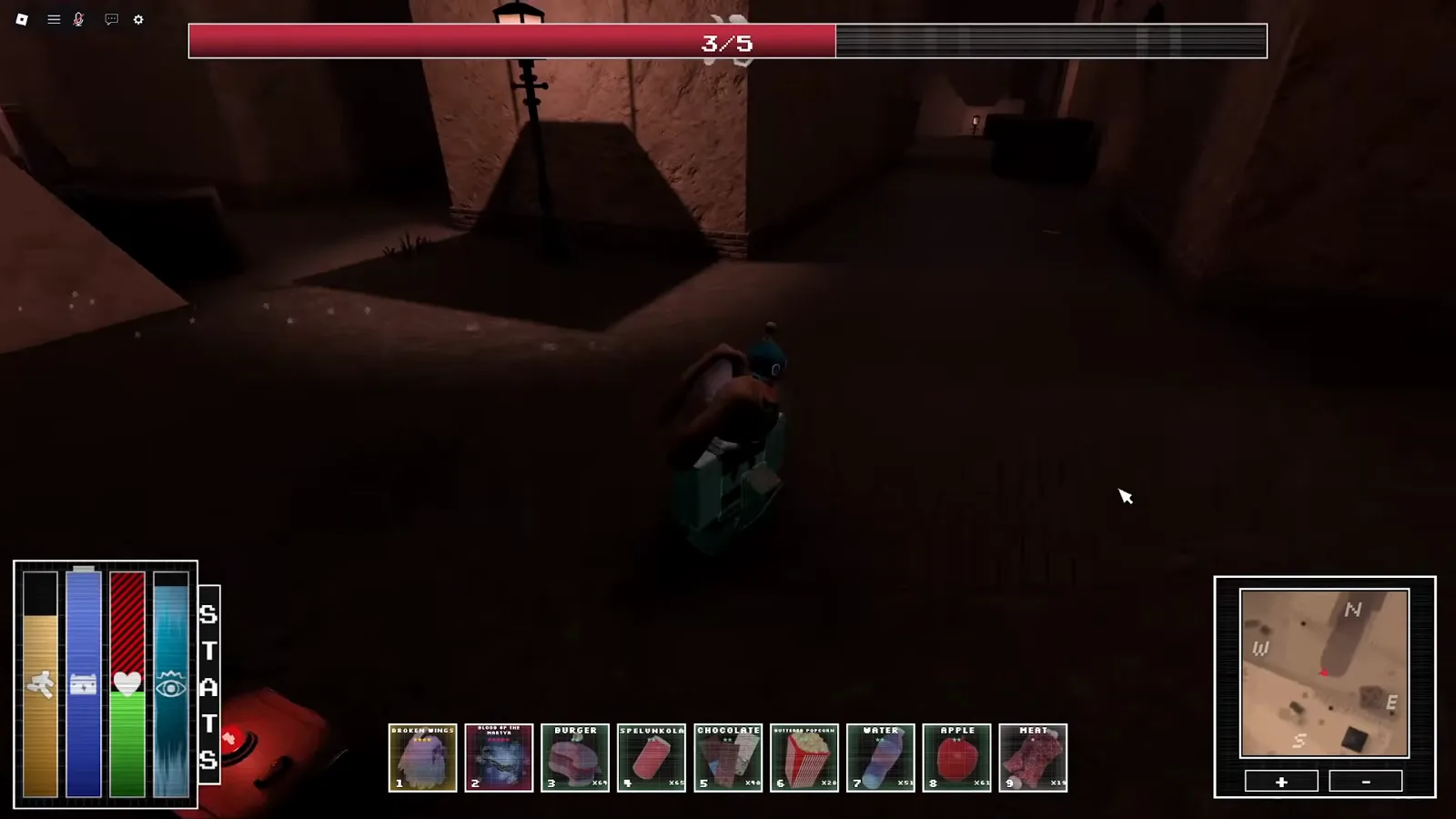
The Recode added alternate injured animations below 30% health per the 0.7.0a notes. Low HP does not automatically mean trauma, but chip damage stacks traumas faster.
How do traumas interact with items and stats?
Magic Scarf and luck
On 0.7.0a numbers (still the last published scarf math), the Magic Scarf reads:
- Buff stacks: +1 luck each
- Debuff stacks: -1 luck each
- Unique trauma types: -2 luck each
That makes trauma hygiene part of luck routing—not just DPS. Full scarf breakdown: /items/magic-scarf/.
Nephalem’s Blessing
0.7.0a changed how debuffs and traumas feed the blessing:
- Walk speed gained from debuffs/traumas was halved (run speed untouched).
- Each unique trauma counted 1.5× the stat increase of a normal debuff.
0.7.0b “reworked” Nephalem’s Blessing without a full number dump in the forum post—treat edge cases as verify in-game.
Purity and defensive starters
Purity can negate large hits using blessings and is often paired with risky starters in /items/best-starter-items/. It is a separate layer from trauma clearing but reduces how often you accumulate new types.
Traumas versus dying, reviving, and ghost play
Traumas punish living players. If you die:
- You may offer revives (paid or currency—see /guides/how-to-revive/).
- You may continue as a ghost with limited actions (/guides/patch-notes-0-7/ lists 0.7.0b ghost teleport and chat).
0.7.0b also relaxed Shrine of Soul revives for leaderboard eligibility under floor 100—meta for trauma-heavy runs where you would rather reset attention than limp upstairs.
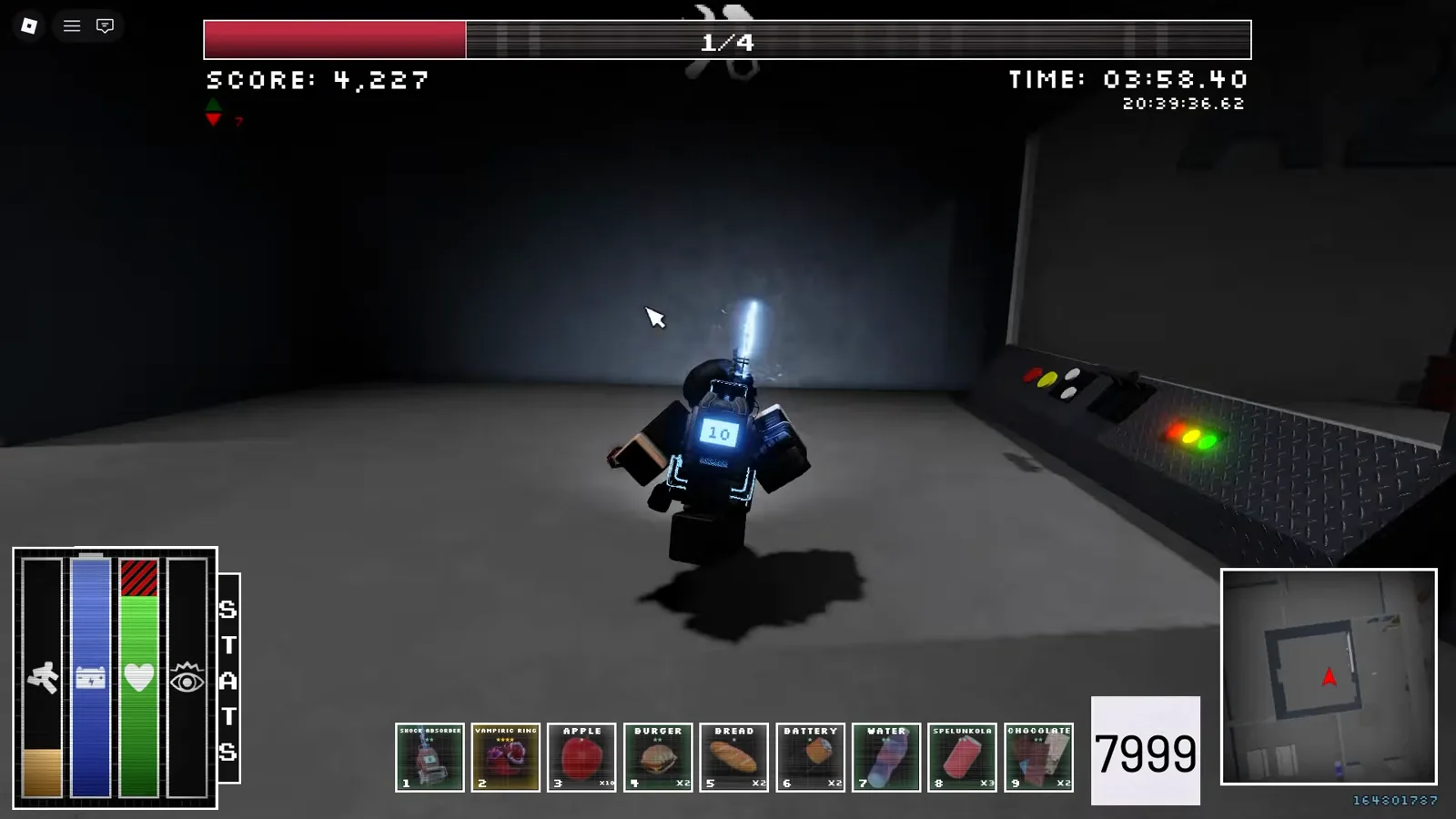
Reboarding is the natural “reset beat” for traumas. Rushing tasks while stacked is how solo runs die to attrition.
Practical trauma discipline (floor by floor)
- Identify the type in the status UI (hover tooltips arrived in 0.7.0a). Unknown icons mean pause—not another task.
- Decide treat vs ride: if Medkit is off cooldown and another trauma stack would ruin luck, heal early.
- Lower attention before re-engaging: sprinting and flashlights raise priority (/guides/priority-and-fear/).
- Hard Mode: tasks got harder in 0.7.0b while shrines can appear outside break rooms—more chances to revive but tighter timers. /guides/hard-mode-guide/.
Where to go next
- /guides/beginner-guide/ — elevator loop and first tasks
- /entities/sloth/ — sin entity with delayed summon window
- /items/magic-scarf/ — luck swing when traumas stack
- /guides/ — hub for all systems pages
Related Articles
entities
Depth Spelunking Echovore — Sound Boss Tactics (v0.7.0b)
Beat Echovore in Depth Spelunking v0.7.0b: sound rage, Factory tasks, minecart phase, and pipe rules. Stealth and task order—read before Factory.
entities
Depth Spelunking Envy Guide — The Sin of Envy (Floors 20–24)
Beat The Sin of Envy in Depth Spelunking: plant tasks on Envy's Coliseum, tangle warnings after half progress, spears and Leeching Roses. v0.7.0b.
entities
Depth Spelunking Eris Guide — Bonus Entity Events (v0.7.0b)
Understand Eris in Depth Spelunking: bonus entity events from floor 10+, Hard Mode floor 2+ spawns, and how to survive the extra monster she adds.
Was this helpful?
Thanks for the feedback!