Depth Spelunking Beginner Guide — How to Play Your First Run
Depth Spelunking beginner guide for v0.7.0b: lobby setup, task loop, elevator power, fear and priority, and first-entity habits. Start here.
FAQ
How many starter items can you bring in Depth Spelunking?
What happens if you miss the elevator in Depth Spelunking?
Does running always attract entities in Depth Spelunking?
Is Depth Spelunking solo-friendly for beginners?
Which version does this Depth Spelunking beginner guide use?
Depth Spelunking is a cooperative roguelite horror expedition on Roblox: you descend floor by floor, complete tasks under rising pressure, and ride a shrinking-power elevator back up. This beginner guide explains the loop Foxxive expects you to learn on your own—verified against v0.7.0b, not legacy pre-Recode footage.
Source: Roblox experience · DevForum changelog
How do you start a Depth Spelunking run?
From the lobby, join a Classic elevator (15, 20, or 50 players) or a custom lobby. Equip up to three starter items before you board—passives like Halo or Heart Locket are safer picks than high-risk tools until you know the entities. The elevator dive begins once the party is ready.
New players often overload on flashy actives. Start with one movement or fear tool plus one healing hybrid (Medkit is strong but only once per floor after the Recode). Deeper build advice lives on the best starter items page.
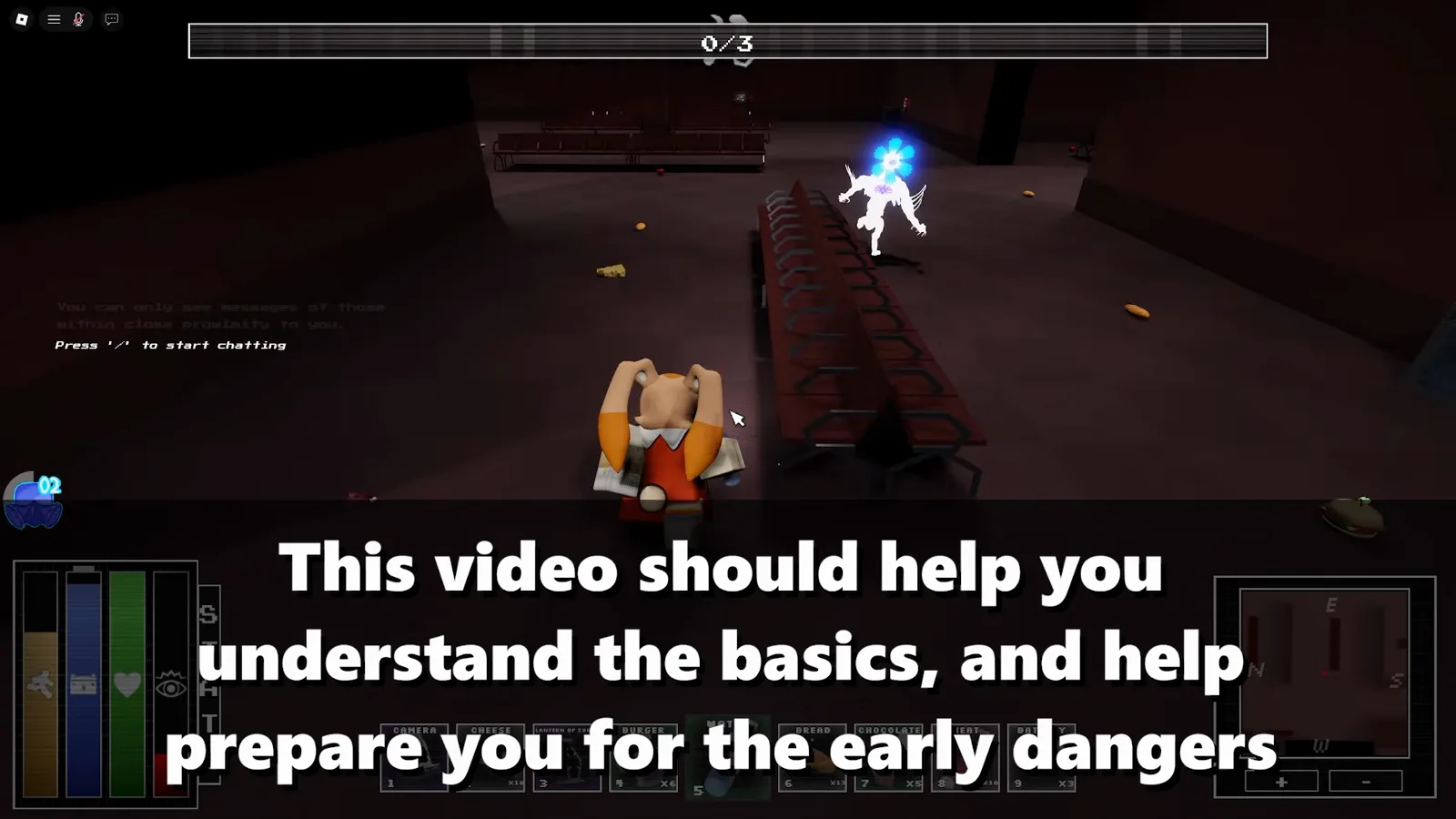
What is the core floor loop in Depth Spelunking?
Every normal floor follows the same contract:
- Spawn into a randomly picked map (Atlas weights luck and floor depth).
- Complete the required tasks—usually two base jobs, plus bonuses from party size and milestone floors.
- Survive entities and floor events while elevator power ticks down (~1% every two seconds).
- Reboard when tasks are finished: a short countdown opens the elevator; missing it strands you on the floor.
Each finished task restores +15% elevator power, which is why rushing objectives is also a power-management skill. For the full formula (multiples of 12, player count, Mechanics upgrades), see the guides hub and the patch summary on v0.7.0 recode notes.
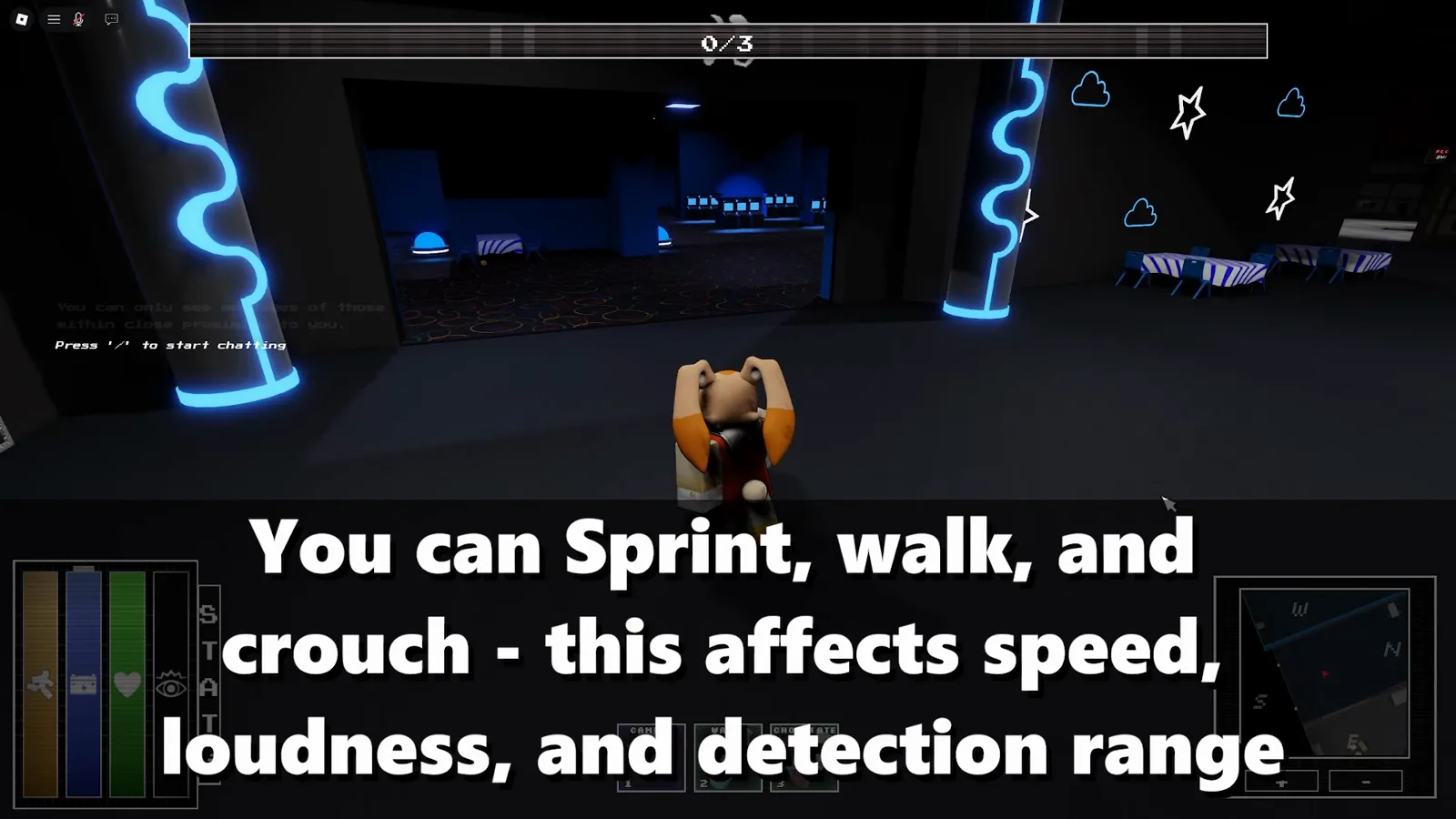
How does the Depth Spelunking elevator work in v0.7.0b?
The Recode elevator is a mobile safe room with new rules:
| System | What beginners should know |
|---|---|
| Power | Drains over time; tasks refill it; total blackout ends the run’s momentum |
| Doors | You can close doors to block chasing entities; each toggle costs instant power |
| Skip vote | Skipping too many floors risks a Malfunction event—avoid spamming skip |
| Terminal | Shows map, run stats, and upgrades between floors |
During reboarding, doors stay open and the timer is strict (~one minute). Plan your route back before you finish the last task so you are not sprinting blind.
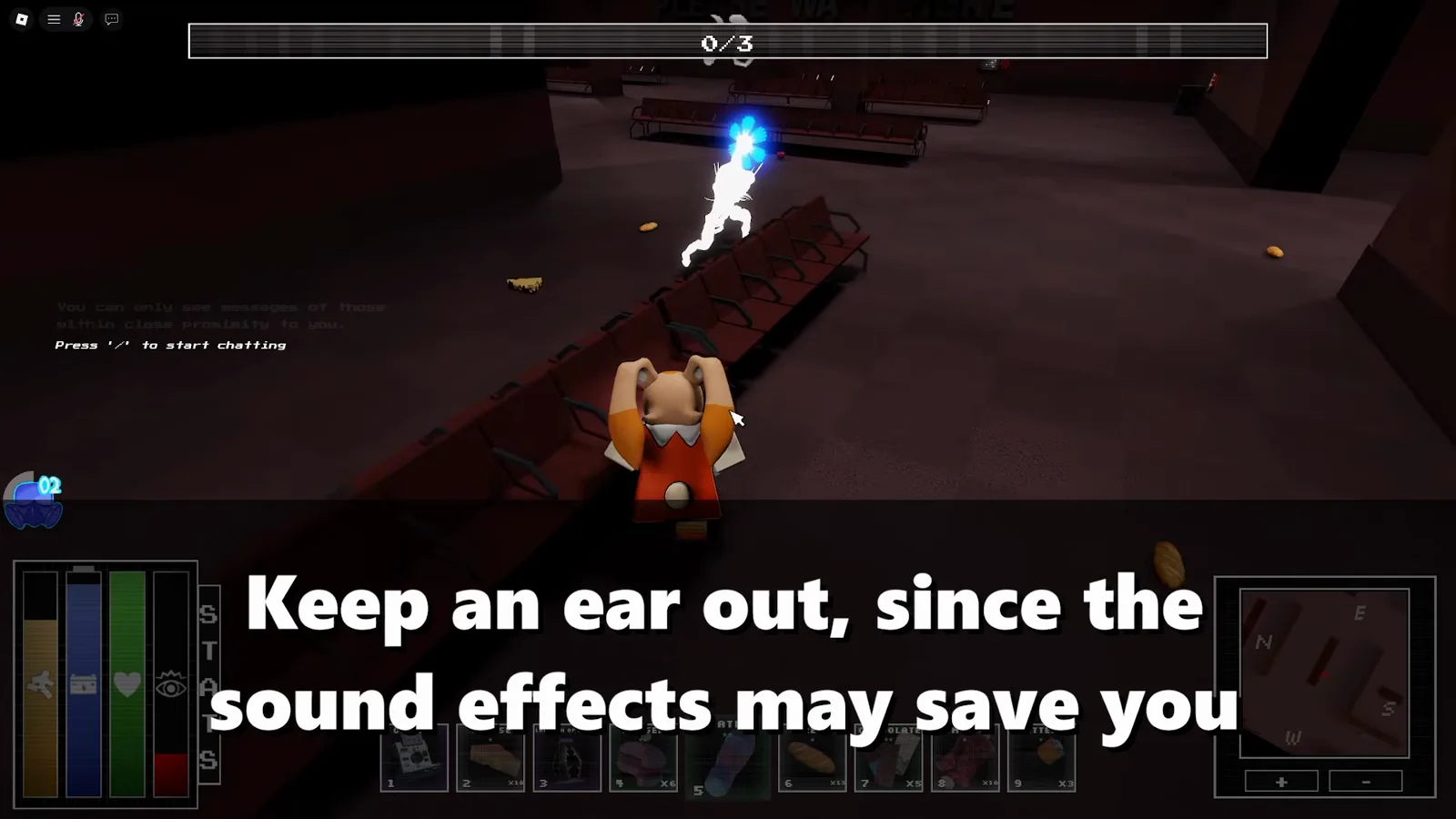
How should beginners handle Fear and Priority?
Open the stats overlay early. After v0.7.0a, Fear rises from damage and some events; very high Fear eventually summons client-side threats like the Hat Man. Priority rises when you sprint, shine a flashlight, or sit at high Fear—making subtle entities more likely to notice you.
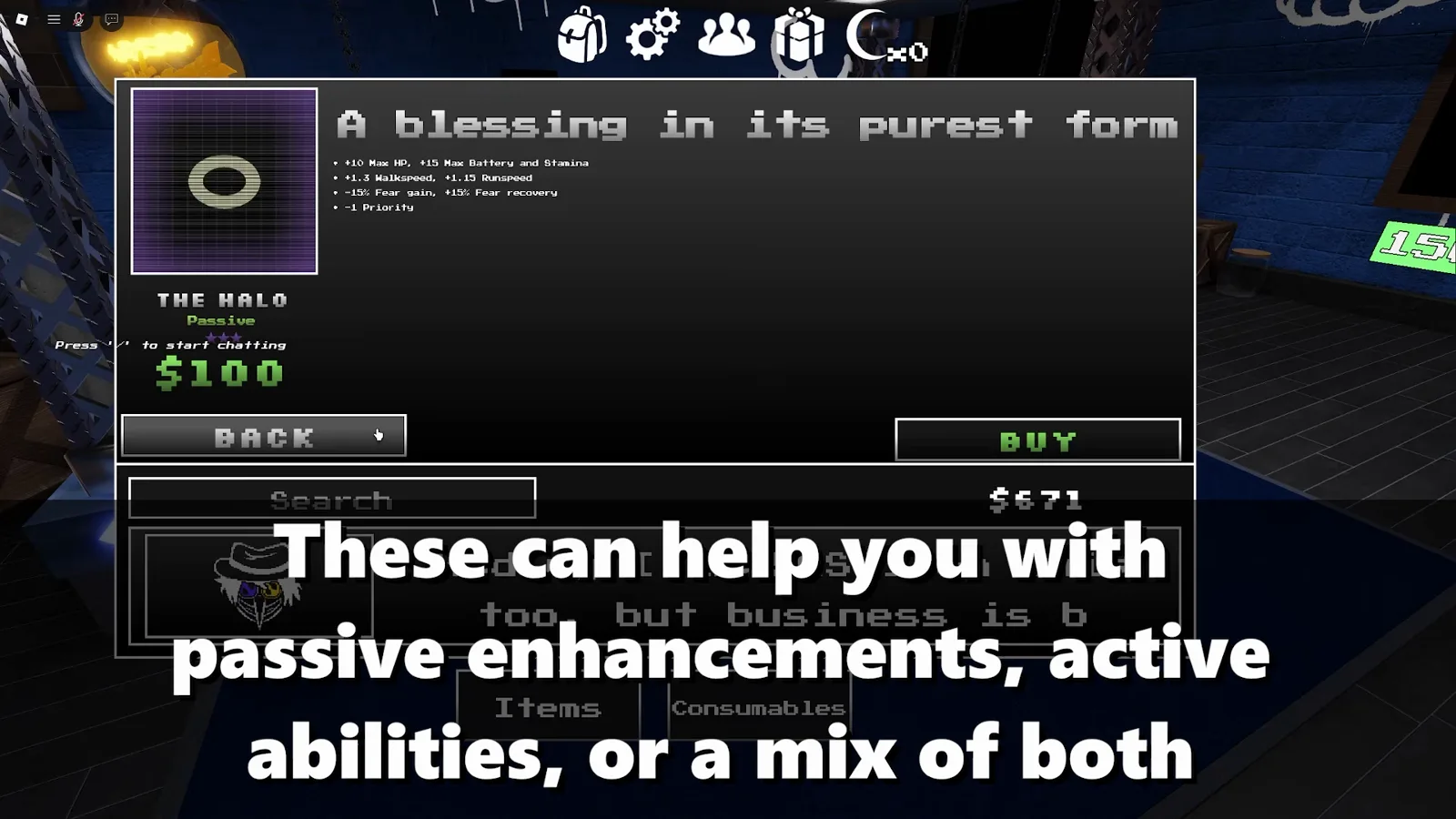
Coffee (v0.7.0b) pauses Fear drain while its buff lasts; Halo shaves Fear gain. The dedicated explainer is on Priority and Fear. Until then: crouch in halls, aim light sparingly, and heal before Fear snowballs.
Which entities should new players learn first?
You do not need the entire bestiary on day one. Learn these patterns in order:
| Entity | Floor band | Beginner rule |
|---|---|---|
| Warden | 5+ | Blind but hears tasks and footsteps—crouch and finish tasks away from teammates |
| Lurker | Common | Green mist inflicts Nausea; break line of sight early |
| Mimic | Common | Copies players; verify identity before grouping |
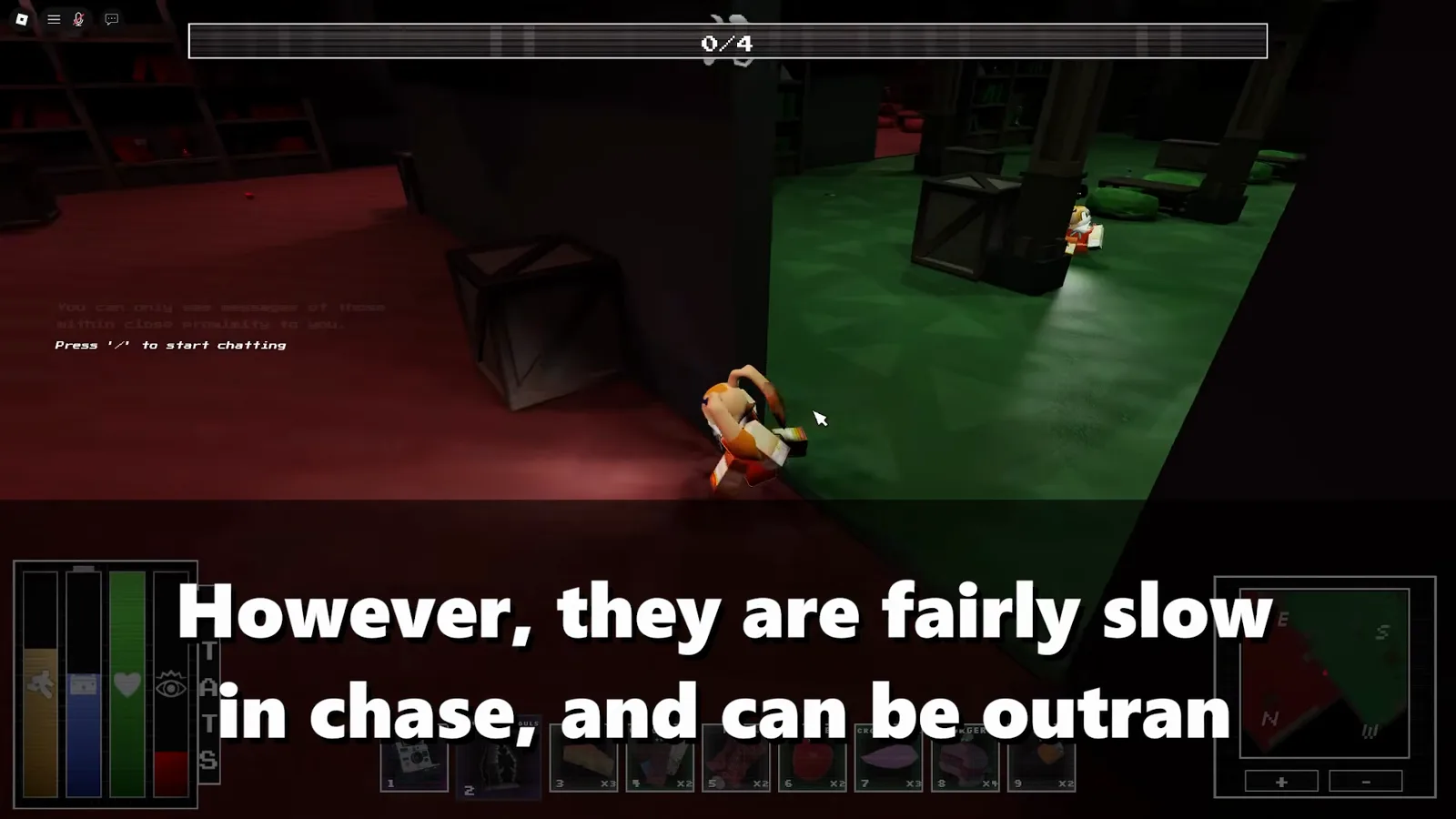
Boss-tier threats (Echovore, Mannequins, Envy) start around Floor 20. Read their pages before you push that deep. On Hard Mode, Eris can appear as early as Floor 2—do not assume the early floors stay quiet.
What should you do after your first wipe?
Death is part of the design. You can revive twice per run (Robux or meta currency), continue as a ghost, or return to lobby. See how to revive for costs and Shrines of Soul. Traumas from big hits persist across floors—overview on Traumas explained.
Ready for more challenge? Queue Daily Mode for a seeded sprint to Floor 20, or Hard Mode when comfortable with task routing.
Starter checklist (first three floors)
- Board with three sensible starter items—no gambling picks.
- Complete tasks while listening for the Warden’s audio cues.
- Close elevator doors only when a chase is real (power tax adds up).
- Check Fear/Priority before sprinting to the lift.
- If you die, decide: spend revive, ghost scout, or reset and practice.
Depth Spelunking rewards pattern recognition more than raw reflex. One calm run teaches more than ten panic sprints.
Related videos

Related Articles
entities
Depth Spelunking Echovore — Sound Boss Tactics (v0.7.0b)
Beat Echovore in Depth Spelunking v0.7.0b: sound rage, Factory tasks, minecart phase, and pipe rules. Stealth and task order—read before Factory.
entities
Depth Spelunking Envy Guide — The Sin of Envy (Floors 20–24)
Beat The Sin of Envy in Depth Spelunking: plant tasks on Envy's Coliseum, tangle warnings after half progress, spears and Leeching Roses. v0.7.0b.
entities
Depth Spelunking Eris Guide — Bonus Entity Events (v0.7.0b)
Understand Eris in Depth Spelunking: bonus entity events from floor 10+, Hard Mode floor 2+ spawns, and how to survive the extra monster she adds.
Was this helpful?
Thanks for the feedback!